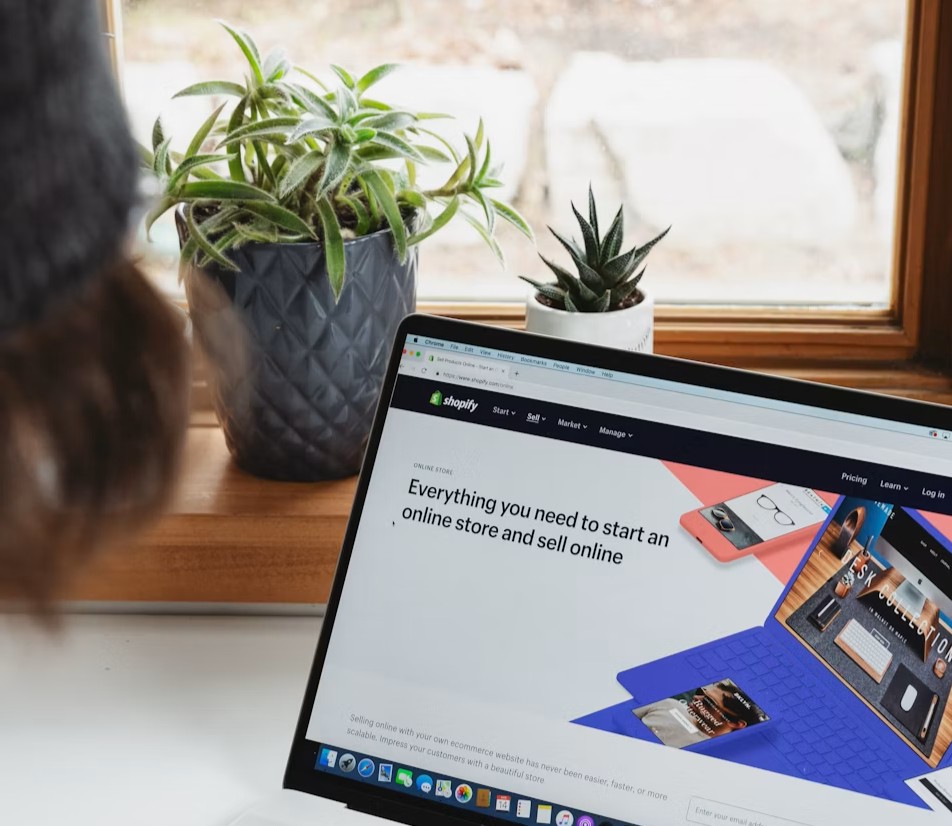

Selling online sounds simple. Add products, add a payment button, and start taking orders. In practice, a successful ecommerce website needs much more than that.
South African businesses need to think about payments, delivery, mobile users, product management, security, customer communication, and ongoing website management. So what does a business actually need before launching an online store? If you’re planning an ecommerce website South Africa customers will trust and buy from, this guide covers the key elements to sort out before you invest a single Rand.
What Is an Ecommerce Website?
An ecommerce website is more than a digital brochure. It’s a fully functioning online store where visitors can browse products, add them to a cart, pay securely, and receive their order, all without a human stepping in to process the sale manually.
Good ecommerce website design gets people to trust your brand and want to buy. Solid ecommerce website development makes sure the buying process actually works, every time, on every device, especially at checkout, which is where most South African online sales quietly die.
What Does a South African Online Store Need?
Here’s where it gets practical. These are the elements we build into every store, regardless of size or industry.
1. A Clear Product Catalogue
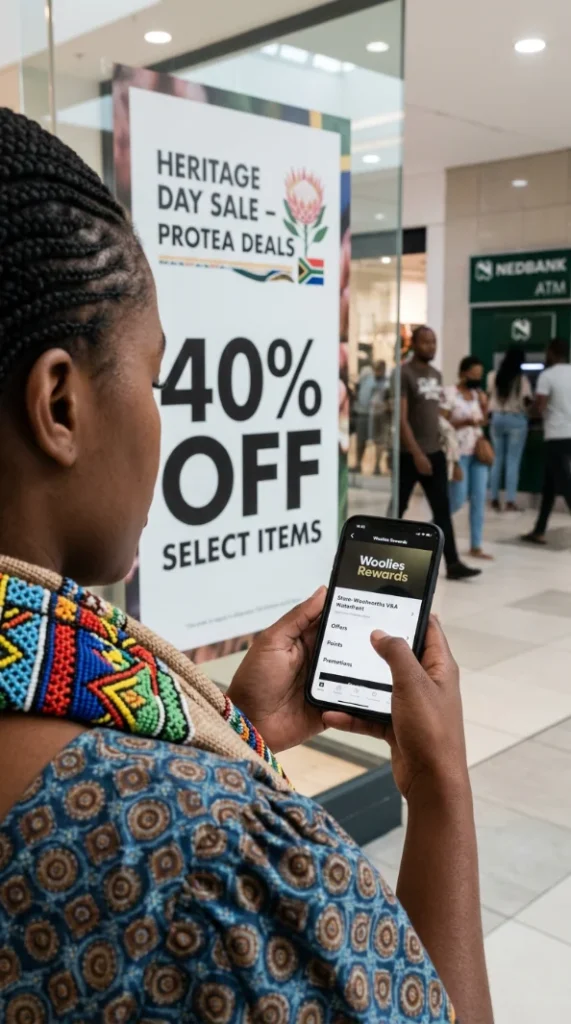
Real photos, honest descriptions, upfront Rand pricing, and clear stock levels. Add variations (size, colour, scent, whatever applies), sensible categories, and a search function that actually returns relevant results. This is the foundation of good ecommerce website design. If customers can’t find or understand what they’re buying, nothing else matters.
2. Reliable Online Payments
Online payment South Africa setups need to reflect how people here actually pay, not just how they pay in the UK or the US. That means card payments alongside Instant EFT, since a large portion of South African shoppers still don’t trust entering card details online. PayFast is the most widely used gateway locally and integrates cleanly with WooCommerce, alongside options like Ozow and Yoco. Whatever you choose, payment security (SSL, PCI compliance) is non negotiable.
3. Delivery and Shipping
Decide your delivery areas, shipping rates, and whether you’ll offer in store collection. Courier integrations (Courier Guy, Paxi, Pudo) save hours of manual admin, and automated delivery notifications keep customers from messaging you asking where their order is.
4. Mobile Friendly Design
Most of your traffic is arriving on a phone, often on limited mobile data. That means fast loading pages, thumb friendly navigation, compressed images, and a checkout that doesn’t fall apart on a small screen. A responsive, mobile first build isn’t optional in the South African market. It’s where the majority of your sales will actually happen.
5. A Simple Checkout
Every extra step at checkout costs you sales. Offer guest checkout (don’t force account creation), show delivery costs and timelines clearly before payment, keep payment options visible, and send an immediate order confirmation. This is where solid ecommerce website development pays for itself.
6. Website Security
SSL certificates, secure payment processing, regular plugin and core updates, automated backups, and proper protection on customer accounts. A hacked or blacklisted store doesn’t just lose sales. It loses trust permanently.
7. SEO
Product pages, category pages, and blog content all need to be built with search in mind: clean URLs, optimised product descriptions, proper metadata, and internal linking between related products and content. This is how an online store South Africa shoppers are searching for actually gets found on Google, instead of relying purely on paid ads.
8. Email Marketing
Welcome emails, order confirmations, abandoned cart reminders, and promotional emails turn one time buyers into repeat customers. Abandoned cart recovery alone often recovers sales that would otherwise be lost for good. It’s one of the highest ROI pieces of an ecommerce setup, and one most small stores skip entirely.
Do Small Businesses Need an Ecommerce Website?
If you sell physical products, digital products, bookings, subscriptions, or memberships, yes. Small business ecommerce makes sense the moment you’re taking orders manually via WhatsApp or Instagram DMs and struggling to keep track of stock, payments, and delivery. A proper store removes that admin and opens you up to customers beyond your immediate network.
What Should You Do Before Building an Online Store?
- Define your products and pricing
- Decide how customers will pay
- Decide how orders will be delivered
- Choose your ecommerce platform
- Prepare product photography and descriptions
- Plan your customer emails (order, abandoned cart, promotions)
- Plan your SEO approach
- Decide who will manage the website day to day
Ready to Build an Ecommerce Website?
Webloops helps small businesses, startups, and corporates across South Africa design and develop ecommerce websites built around their actual business requirements. From UX and UI design to WordPress, WooCommerce, payment integration, SEO, and ongoing website support, we help you build a practical foundation for selling online.
Planning an online store? Talk to Webloops about your ecommerce website.